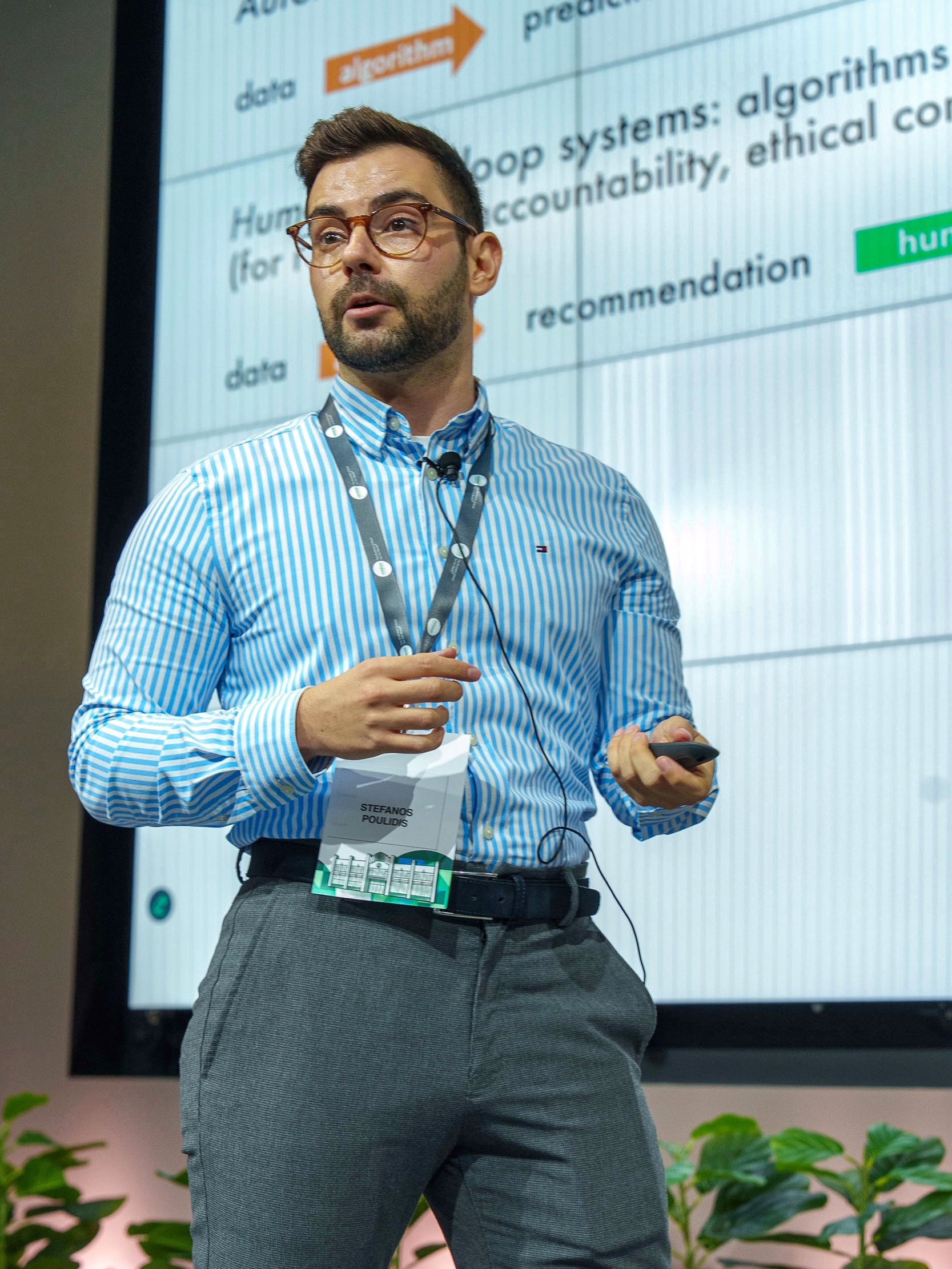
I am a PhD candidate in Decision Sciences at INSEAD. I am immensely fortunate to be advised by Hamsa Bastani and Spyros Zoumpoulis.
My research studies how to design and govern human-AI systems that improve decision quality and performance without weakening human learning. Across behavioral and field experiments, industry collaborations, and mathematical modeling, I examine when AI guidance helps people make better decisions and when it backfires by substituting for effort, disrupting cognitive flow, or encouraging over-reliance.
My work highlights a central tension in human-AI collaboration: AI assistance that improves immediate performance can also reduce decision-makers’ situational awareness in subsequent decisions, degrading performance. It has also shown that AI help can undermine long-term learning when it replaces productive struggle within a learner’s Zone of Proximal Development. My goal is to develop evidence-based frameworks that help teams and organizations deploy AI in ways that improve productivity while sustaining human judgment and skill development over time.
Prior to my PhD, I embarked on an entrepreneurial journey, earning recognition on the Forbes 30 Under 30 list for Greece. I also contributed to women’s economic development through my public policy and education roles at MExoxo.
I hold a B.S. and M.S. in Electrical and Computer Engineering from the National Technical University of Athens.
Upcoming Presentations
- INFORMS Annual Meeting (Tue, Nov 3, 1:15–2:30 PM; “AI-Enabled Operations Research”; Moscone South-312)
- Conference on Information Systems and Technology (CIST) (Sat, Oct 31, 3:00–4:05 PM; SA4.1: “AI Governance, Deployment, and Ecosystem Strategy”; Continental 1–3)
- INFORMS Workshop on Data Science (Sat, Oct 31, 10:45 AM–noon; C2: “AI Content, Adoption and Governance”; Moscone South-201)
- International Conference on Information Systems (ICIS) (Sun–Wed, Dec 13–16)
Research interests
human-AI collaboration, AI-enabled operations, behavioral operations, algorithmic advice, human capital development
Research
Working Papers
Action vs. Attention Signals for Human-AI Collaboration: Evidence from Chess
Major Revision, Management Science
Revised October 2026
- 1st Place, Decision Analysis Society Student Paper Award, 2025
- Finalist, TIMES Working Paper Award, 2025
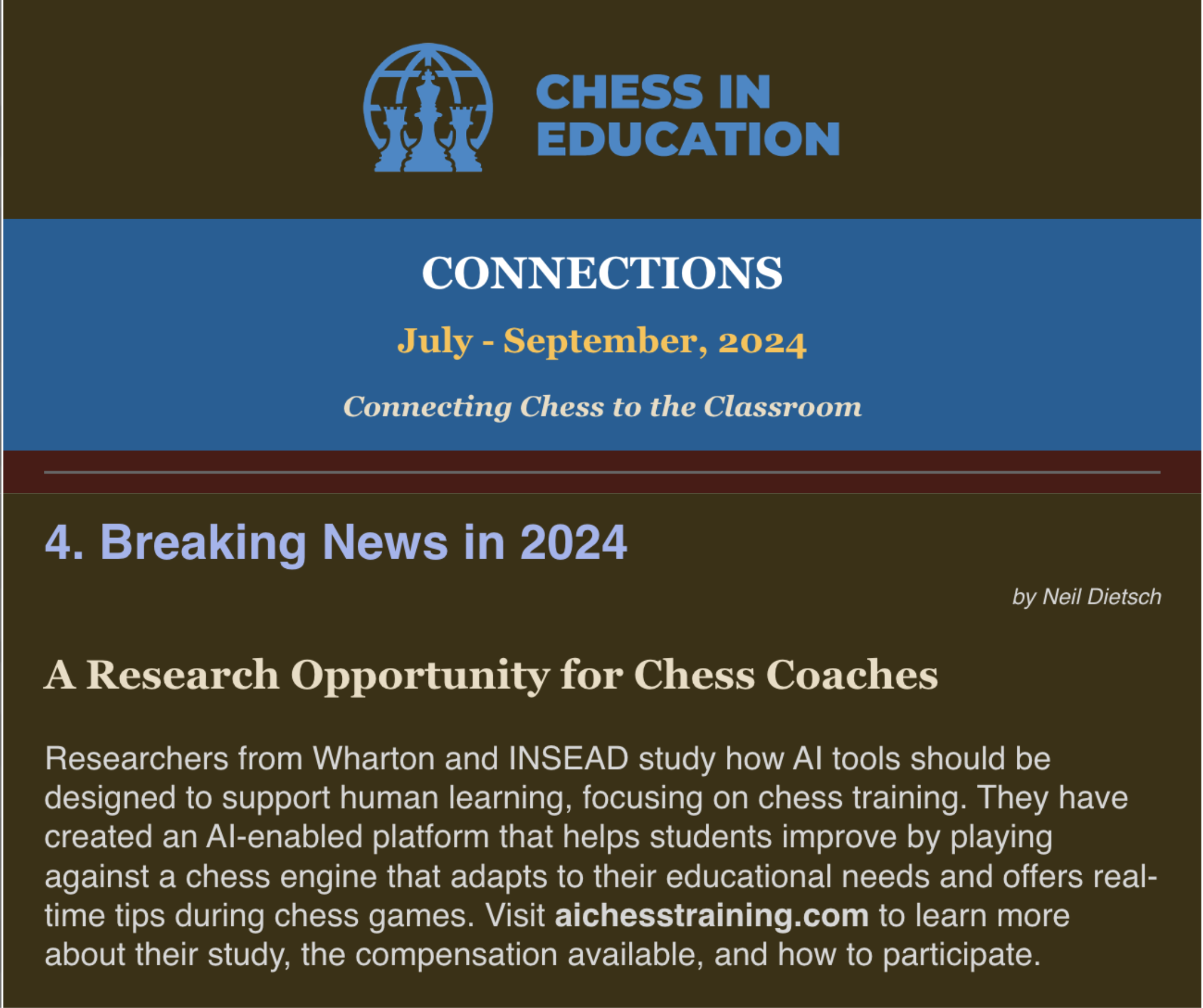
Self-Regulated AI Use Hinders Long-Term Learning
Under Review, PNAS
- Best Paper, AOM Annual Meeting MED Division, 2026
- Research featured in The Economist, 2026
When Anyone Can Build, Who Evaluates? Use-Side Governance in AI Skill Ecosystems
In preparation for submission to Management Science
Forthcoming, Proceedings of International Conference on Information Systems (ICIS), 2026
Artificial intelligences and human scientists exhibit complementary strengths in theory building
Under Review, Organization Science
Work in Progress
Generative AI Workflows at Work
Data analysis in progress; industry collaboration.
Beyond More or Less AI: Component Selection in Human-AI Workflows
Draft available on request.
Human-AI Collaboration in Patient Monitoring Workflows: Evidence from Virtual Sitting
Data-use agreement being finalized; industry collaboration.
Born Automated: The New Work of AI Agents
Draft available on request.
AI Field Deployments
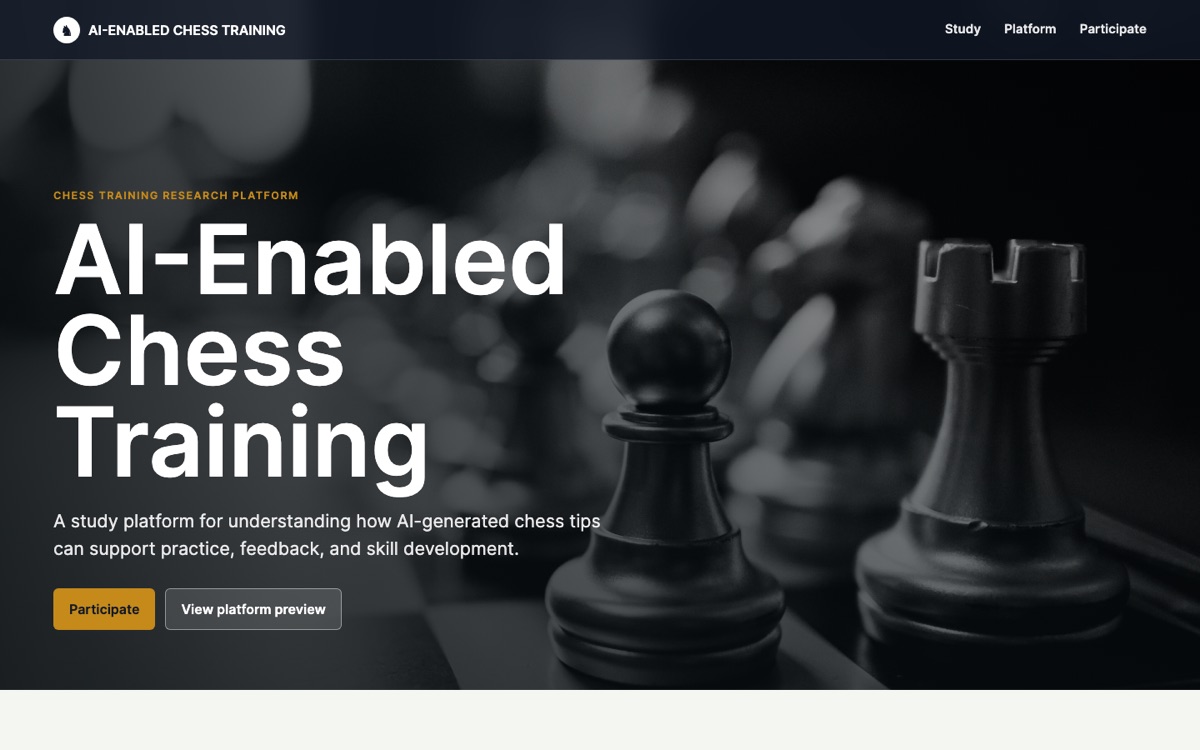
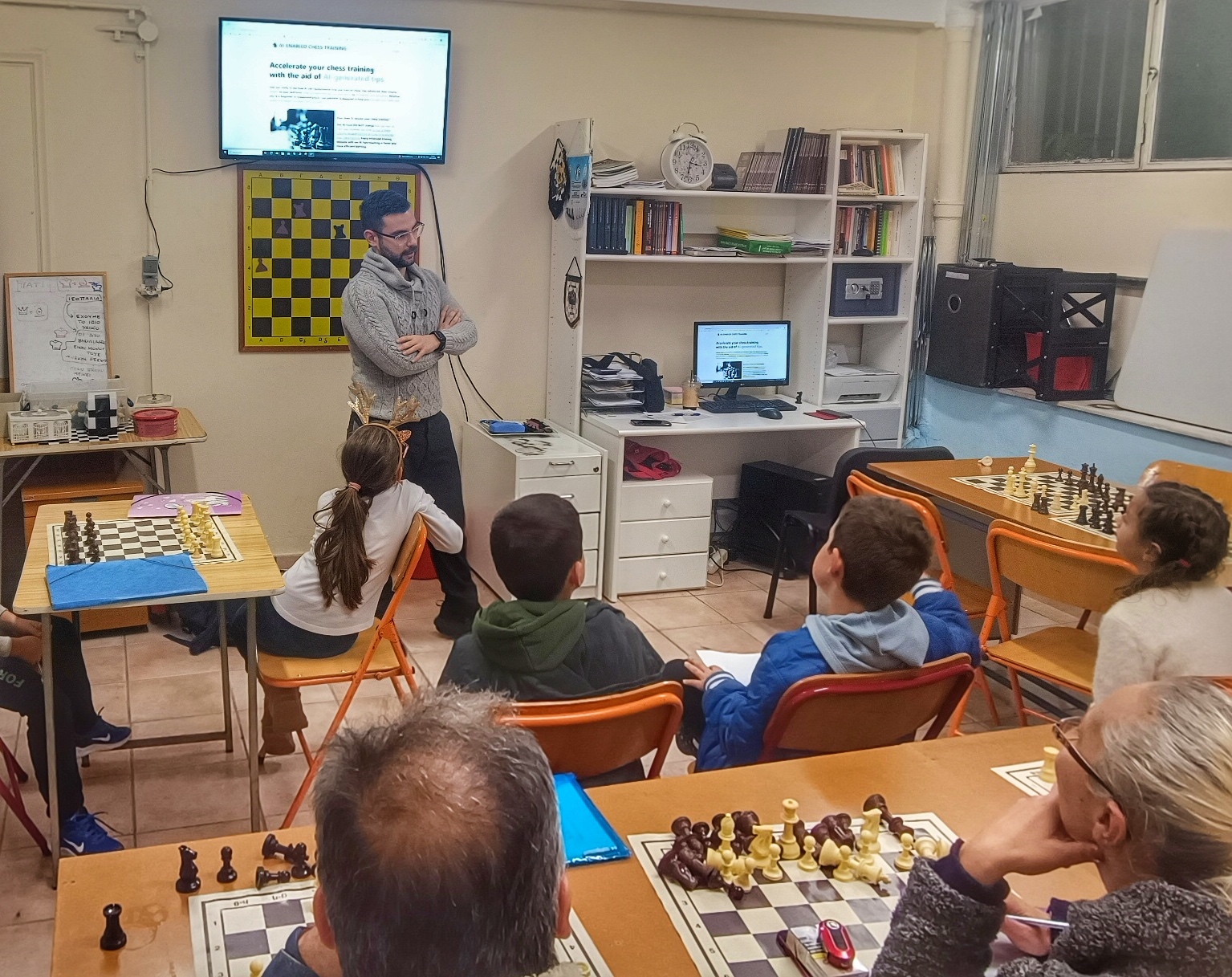
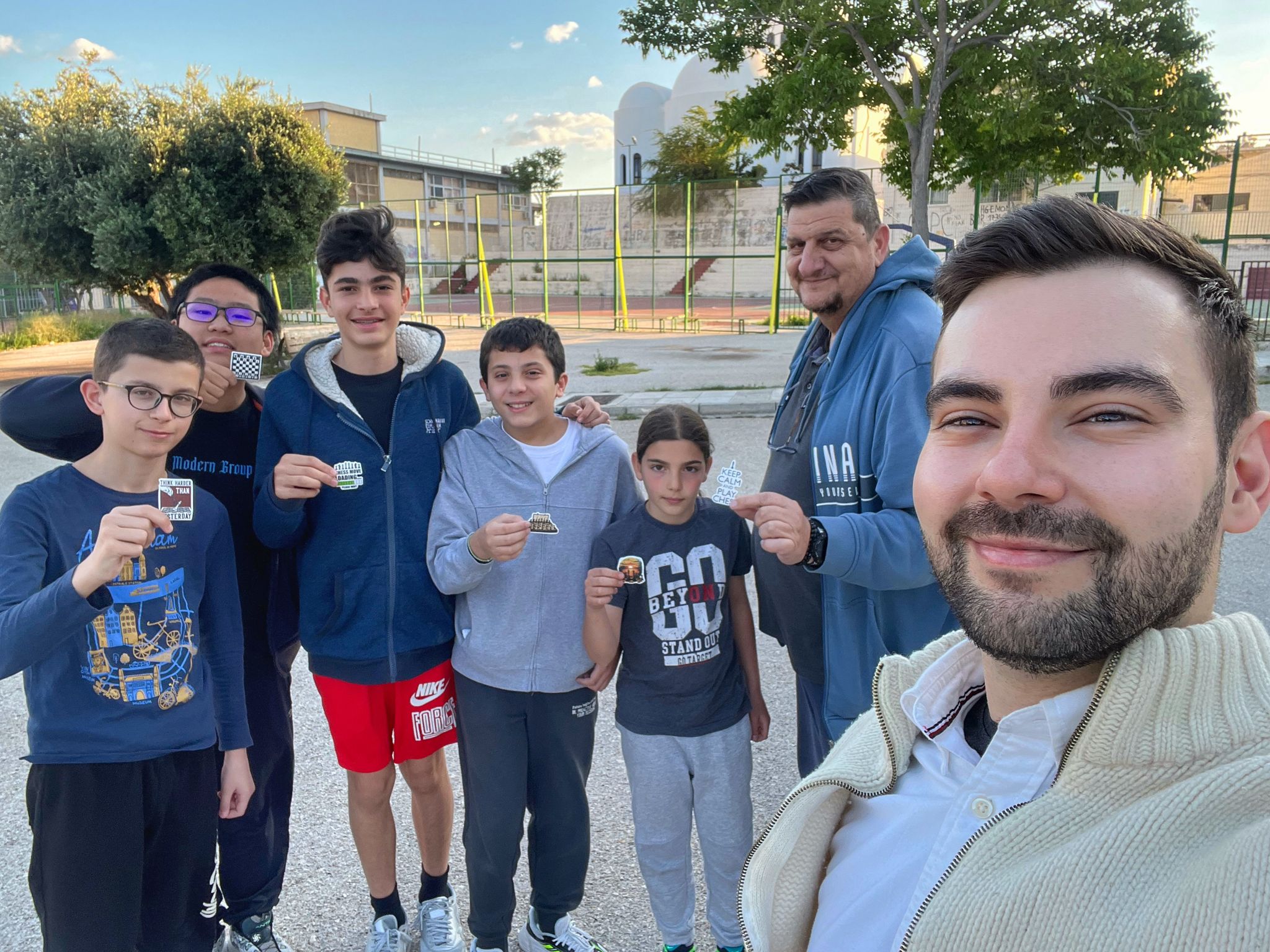
Self-Regulated AI Use Hinders Long-Term Learning
Media Mentions
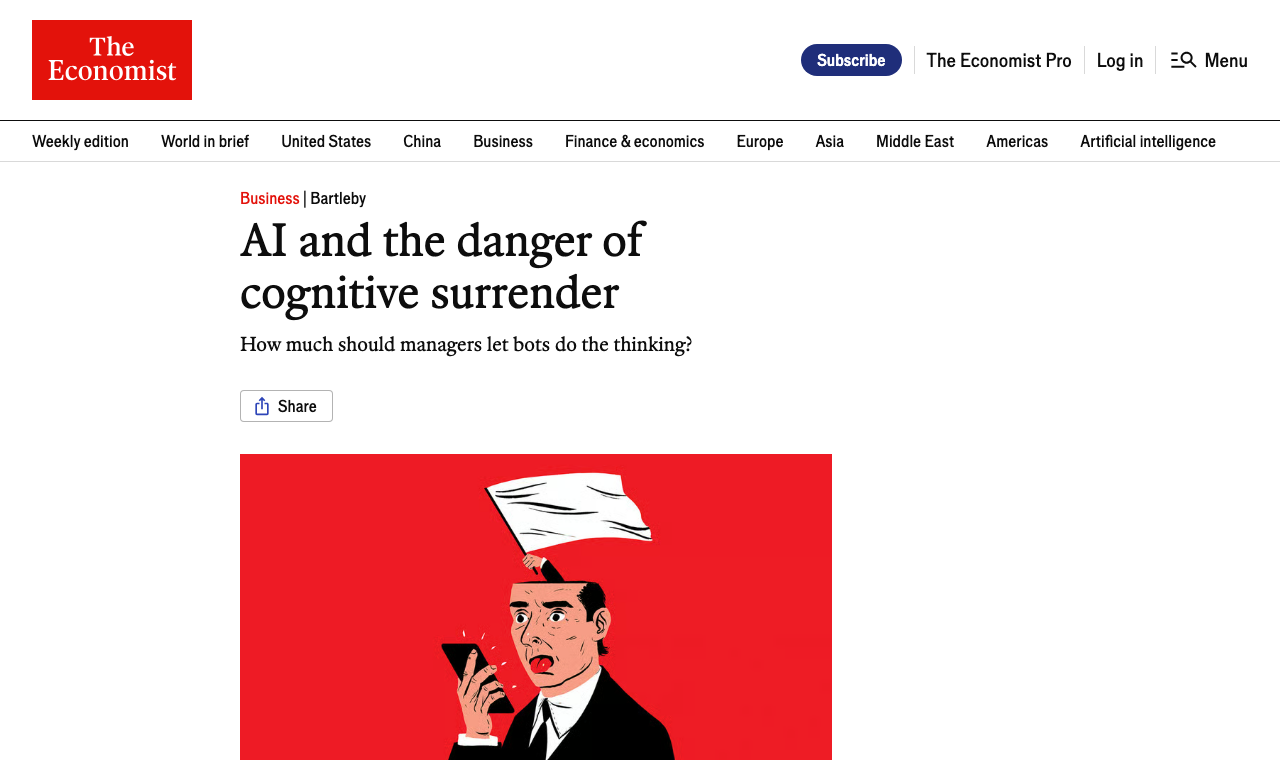
The Economist
AI and the danger of cognitive surrender
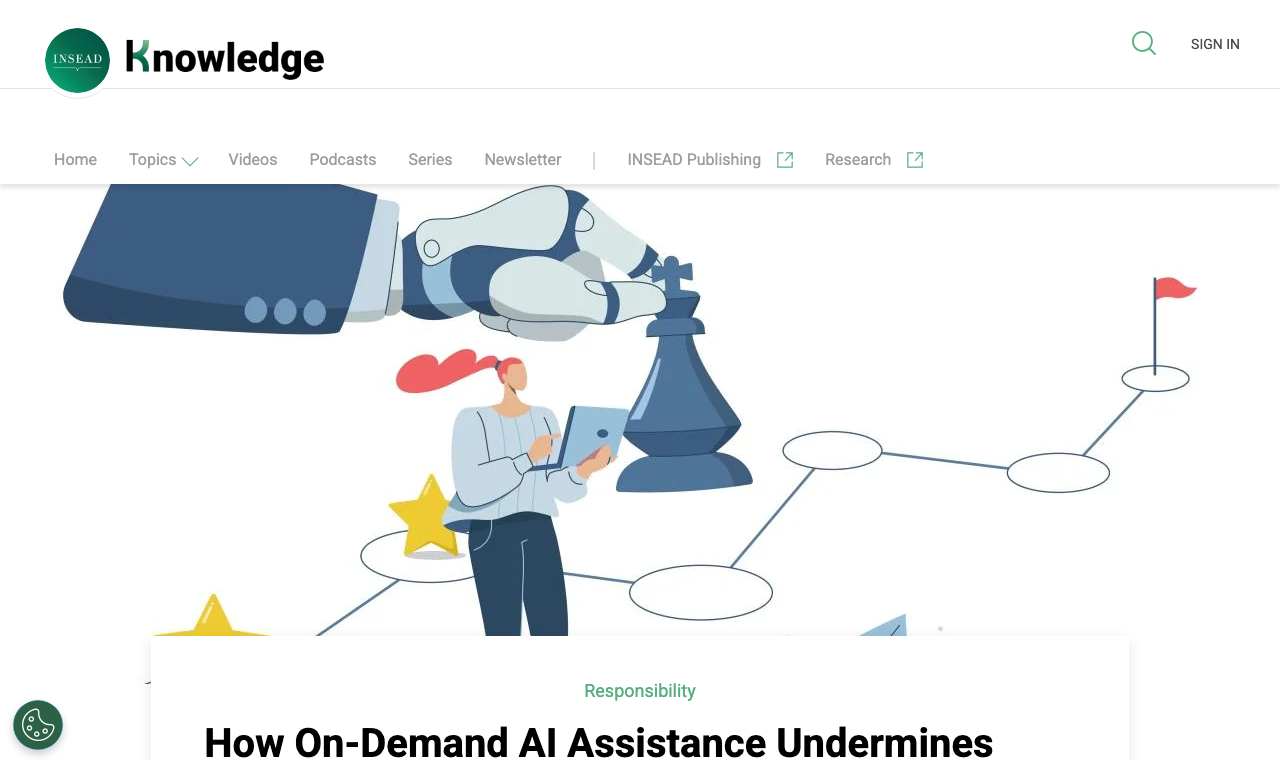
INSEAD Knowledge
How On-Demand AI Assistance Undermines Learning
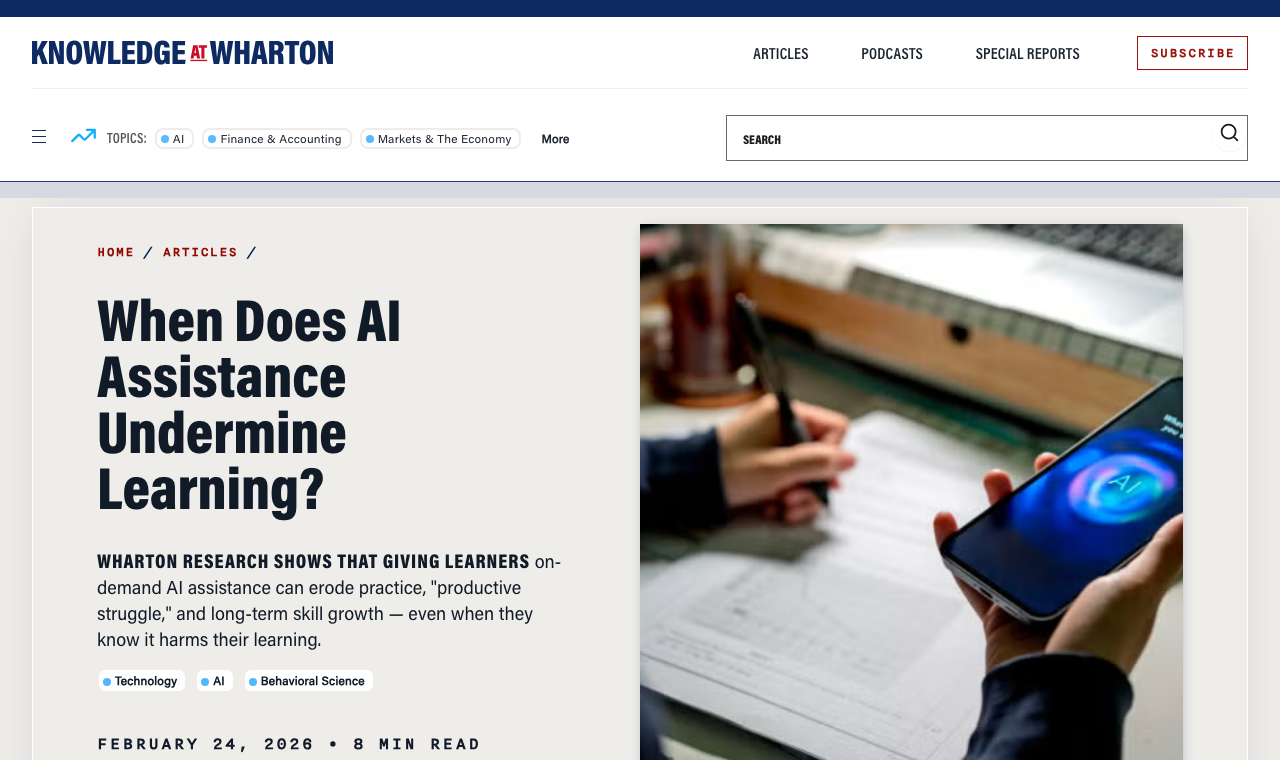
Knowledge at Wharton
When Does AI Assistance Undermine Learning?
INSEAD Knowledge
Should AI Nudge You or Tell You What to Do?
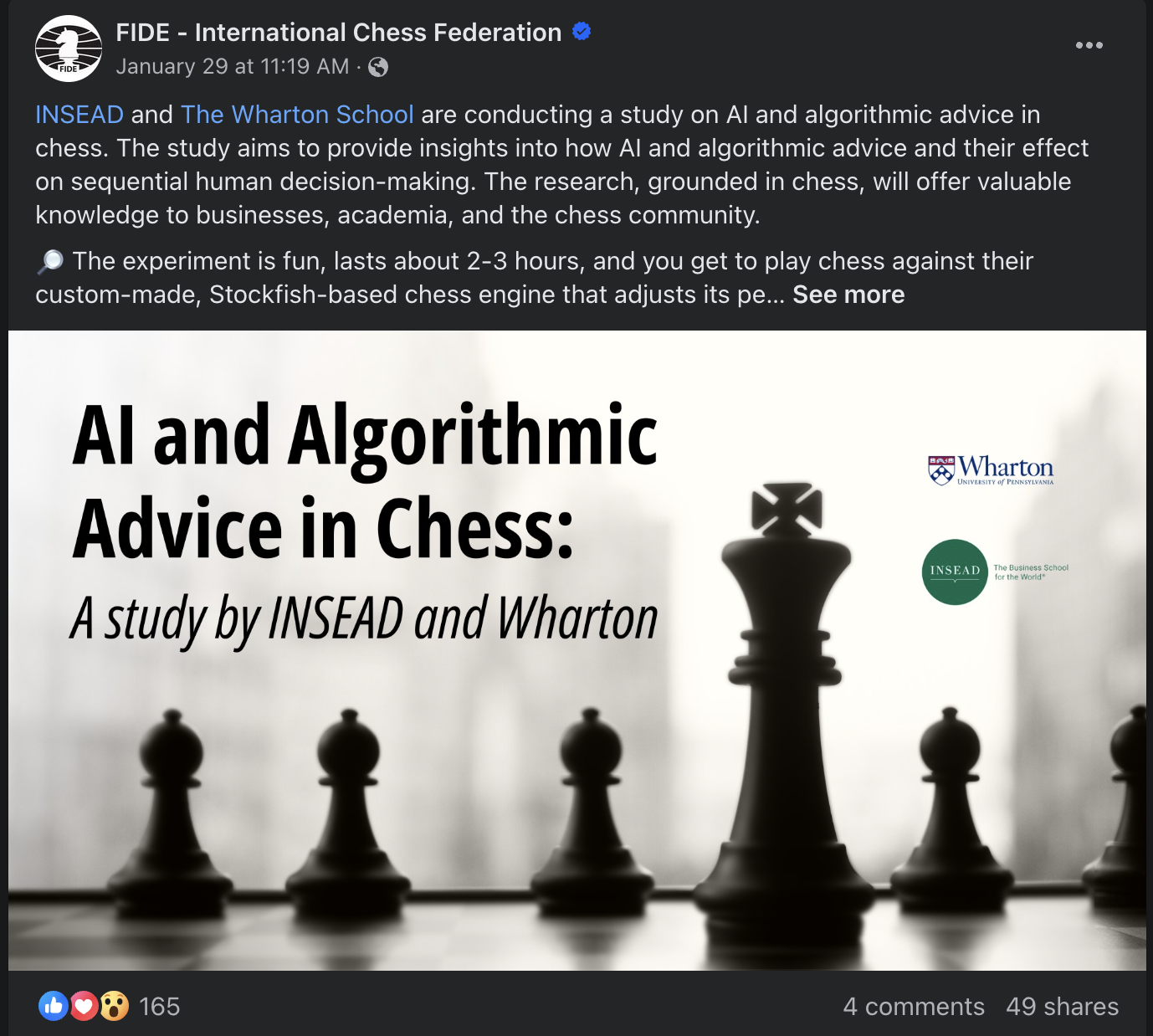
FIDE